


How can rectangular desktop chargers maintain structural stability and improve portability under the trend of lightweight design?
Release Time : 2026-05-26
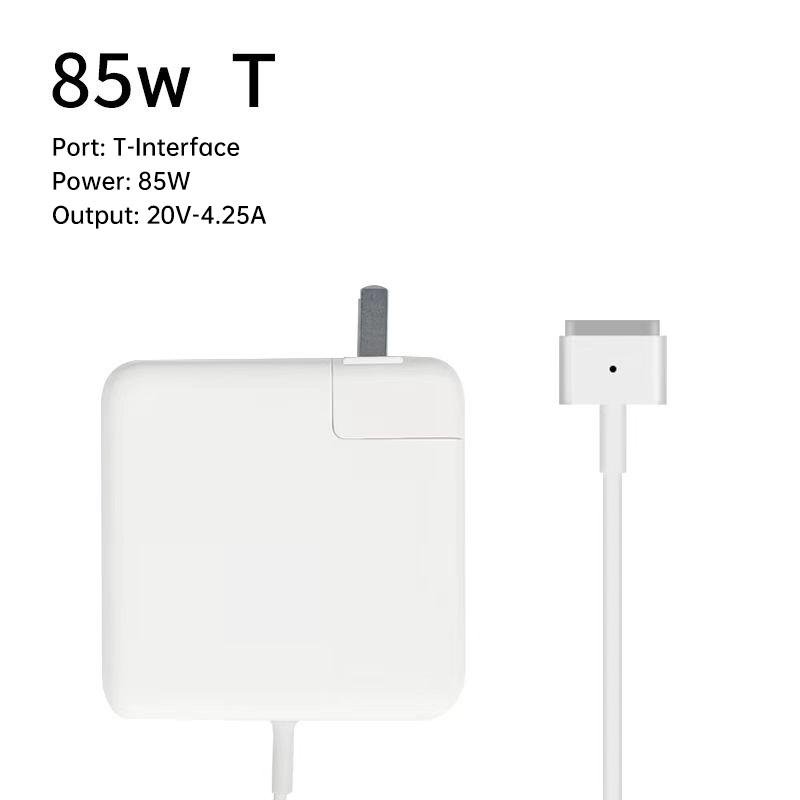
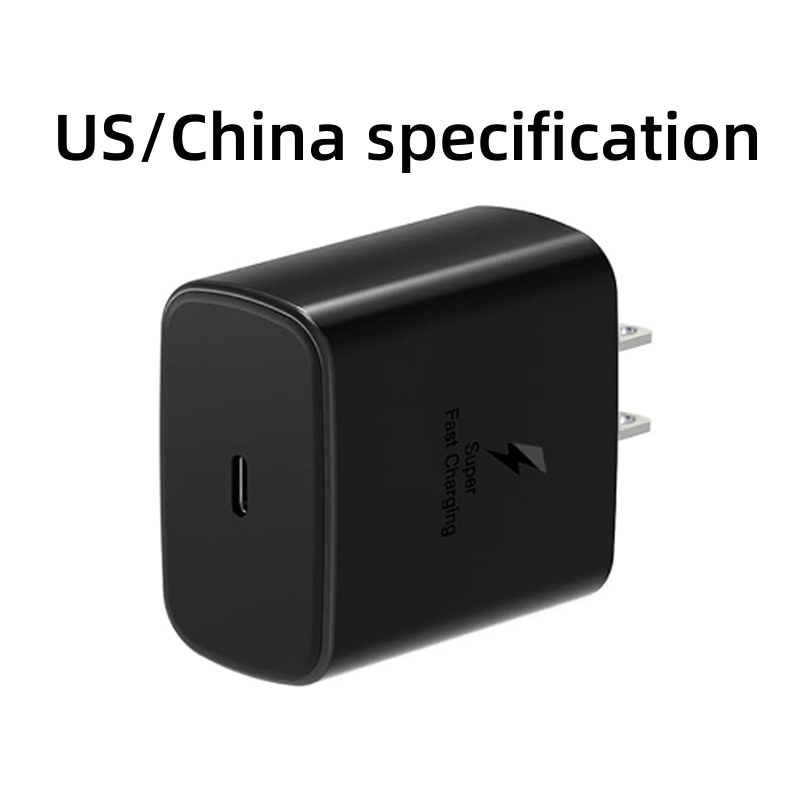
With the increasing demand for mobile work, smart devices, and multi-device charging, rectangular desktop chargers have gradually become common electronic products on office desks, in homes, and during business trips. Compared to traditional single-port chargers, desktop chargers typically offer advantages such as multiple output ports, high-power fast charging, and compatibility with multiple devices. However, under the trend of lightweight design, users not only want smaller and lighter devices, but also require stable structural strength and good portability.
1. Optimizing Shell Materials to Achieve a Balance Between Lightweight Design and High Strength
The shell of a rectangular desktop charger not only protects internal components but also directly affects the overall weight and durability. In traditional designs, while thick plastic or metal structures offer high stability, they increase the burden of carrying them. Therefore, modern desktop chargers increasingly tend to use high-strength, lightweight materials. For example, a composite structure of flame-retardant PC material and aluminum alloy can reduce overall weight while providing good impact resistance and heat resistance. Simultaneously, by optimizing the molecular structure of the materials and the molding process, sufficient structural strength can be maintained while reducing the thickness of the shell. Some high-end products also utilize magnesium-aluminum alloys or composite fiber materials, ensuring good stability and durability even with a lightweight design.
2. Optimizing Internal Structural Layout to Enhance Overall Stability
In lightweight design, the internal space layout directly affects the structural stability of the device. An unreasonable arrangement of internal components can easily lead to uneven stress and structural loosening after long-term use. Therefore, modern rectangular desktop chargers typically employ a modular integrated design, compactly arranging the power module, cooling system, and output interfaces to reduce internal gaps and improve overall structural strength. Simultaneously, adding reinforced support structures in key areas effectively reduces the risk of deformation during transportation and daily use. Furthermore, optimizing the PCB board fixing method and interface connection structure can reduce mechanical stress caused by frequent plugging and unplugging, improving long-term stability.
3. Improving Heat Dissipation Design to Reduce Temperature Rise in Thin Structures
Lightweight design often means a more compact internal space, while high-power fast charging generates significant heat. Insufficient heat dissipation design not only affects charging efficiency but can also lead to structural aging and safety hazards. Therefore, modern desktop chargers increasingly emphasize efficient heat dissipation structure design. For example, by employing graphite heat sinks, aluminum alloy thermal conductive layers, and internal airflow channels, heat transfer efficiency can be improved, reducing localized temperature rise. Simultaneously, some products incorporate intelligent temperature control chips to automatically adjust output power based on load conditions, thereby mitigating the impact of prolonged high-temperature operation on structural stability. Efficient heat dissipation systems not only enhance safety but also contribute to maintaining the long-term reliability of the lightweight structure.
4. Optimized Portability Details Enhance User Experience
Besides weight and structural stability, portability is another crucial design goal for lightweight desktop chargers. In modern mobile office scenarios, users prioritize ease of carrying and desktop tidiness. Therefore, many rectangular desktop chargers are adopting rounded corner integrated designs and retractable cable structures to reduce space occupation during transport. Furthermore, optimizing interface layout and adding foldable plug designs also improves overall portability. Some products also utilize gallium nitride (GaN) technology, reducing the size of the charging module while increasing power output efficiency, making the device lighter and more compact. Through these detailed optimizations, rectangular desktop chargers not only meet the demands of efficient charging but also adapt to more flexible mobile usage scenarios.
In conclusion, under the trend of lightweight design, rectangular desktop chargers require coordinated optimization in multiple aspects, including upgrading shell materials, optimizing internal structure, improving efficient heat dissipation, and refining portability details, to truly achieve a balance between structural stability and portability. This comprehensive design not only enhances the user experience but also further meets the diverse needs of modern users for high-performance desktop charging devices.
1. Optimizing Shell Materials to Achieve a Balance Between Lightweight Design and High Strength
The shell of a rectangular desktop charger not only protects internal components but also directly affects the overall weight and durability. In traditional designs, while thick plastic or metal structures offer high stability, they increase the burden of carrying them. Therefore, modern desktop chargers increasingly tend to use high-strength, lightweight materials. For example, a composite structure of flame-retardant PC material and aluminum alloy can reduce overall weight while providing good impact resistance and heat resistance. Simultaneously, by optimizing the molecular structure of the materials and the molding process, sufficient structural strength can be maintained while reducing the thickness of the shell. Some high-end products also utilize magnesium-aluminum alloys or composite fiber materials, ensuring good stability and durability even with a lightweight design.
2. Optimizing Internal Structural Layout to Enhance Overall Stability
In lightweight design, the internal space layout directly affects the structural stability of the device. An unreasonable arrangement of internal components can easily lead to uneven stress and structural loosening after long-term use. Therefore, modern rectangular desktop chargers typically employ a modular integrated design, compactly arranging the power module, cooling system, and output interfaces to reduce internal gaps and improve overall structural strength. Simultaneously, adding reinforced support structures in key areas effectively reduces the risk of deformation during transportation and daily use. Furthermore, optimizing the PCB board fixing method and interface connection structure can reduce mechanical stress caused by frequent plugging and unplugging, improving long-term stability.
3. Improving Heat Dissipation Design to Reduce Temperature Rise in Thin Structures
Lightweight design often means a more compact internal space, while high-power fast charging generates significant heat. Insufficient heat dissipation design not only affects charging efficiency but can also lead to structural aging and safety hazards. Therefore, modern desktop chargers increasingly emphasize efficient heat dissipation structure design. For example, by employing graphite heat sinks, aluminum alloy thermal conductive layers, and internal airflow channels, heat transfer efficiency can be improved, reducing localized temperature rise. Simultaneously, some products incorporate intelligent temperature control chips to automatically adjust output power based on load conditions, thereby mitigating the impact of prolonged high-temperature operation on structural stability. Efficient heat dissipation systems not only enhance safety but also contribute to maintaining the long-term reliability of the lightweight structure.
4. Optimized Portability Details Enhance User Experience
Besides weight and structural stability, portability is another crucial design goal for lightweight desktop chargers. In modern mobile office scenarios, users prioritize ease of carrying and desktop tidiness. Therefore, many rectangular desktop chargers are adopting rounded corner integrated designs and retractable cable structures to reduce space occupation during transport. Furthermore, optimizing interface layout and adding foldable plug designs also improves overall portability. Some products also utilize gallium nitride (GaN) technology, reducing the size of the charging module while increasing power output efficiency, making the device lighter and more compact. Through these detailed optimizations, rectangular desktop chargers not only meet the demands of efficient charging but also adapt to more flexible mobile usage scenarios.
In conclusion, under the trend of lightweight design, rectangular desktop chargers require coordinated optimization in multiple aspects, including upgrading shell materials, optimizing internal structure, improving efficient heat dissipation, and refining portability details, to truly achieve a balance between structural stability and portability. This comprehensive design not only enhances the user experience but also further meets the diverse needs of modern users for high-performance desktop charging devices.