


In What Ways Does the Build Quality of a C-C Cable Affect Data Transmission and Video Output on Samsung DeX?
Release Time : 2026-04-13
In the realm of mobile productivity, Samsung DeX stands as a transformative feature, promising to convert a compact smartphone into a fully functional desktop computer. This technology allows users to connect their Galaxy devices to monitors, televisions, or PCs, unlocking a multi-window interface that mimics a traditional operating system. However, the bridge between this pocket-sized powerhouse and the external display is the USB Type-C to Type-C (C-C) cable. While often viewed as a simple accessory, the build quality of this cable is the critical determinant of success. A substandard cable can reduce a high-performance workstation to a sluggish, flickering mess, whereas a premium cable ensures a seamless, stable, and high-fidelity user experience.
The most visible impact of cable build quality is on video signal stability. Samsung DeX relies on the DisplayPort Alternate Mode (DP Alt Mode) to transmit video data. This requires the cable to support high-bandwidth data rates, typically corresponding to USB 3.1 or USB 3.2 Gen 1 standards (5Gbps or 10Gbps). High-quality cables are engineered with superior shielding—often a combination of aluminum foil and braided copper—to protect these high-speed differential signal pairs from electromagnetic interference (EMI). In a typical desk setup, the cable runs alongside power cords, HDMI cables, and other electronics that generate electrical noise. A cable with poor shielding acts as an antenna, absorbing this noise and corrupting the video signal. This manifests as "sparkles" (random white pixels), screen flickering, or complete blackouts, destroying the professional aesthetic DeX aims to provide.
Beyond shielding, the physical construction of the internal wiring dictates the cable's ability to maintain signal integrity over distance. In a high-quality C-C cable, the wires responsible for high-speed data transmission (TX1/RX1 and TX2/RX2 pairs) are twisted tightly and often insulated with foamed polyethylene to minimize signal attenuation. If the build quality is low—for instance, if the manufacturer uses cheaper, unshielded twisted pairs or incorrect wire gauges—the signal degrades rapidly over length. This is why a cheap 2-meter cable might fail to display 1080p or 4K video reliably, while a well-constructed cable of the same length maintains a crisp, artifact-free image. The impedance matching within the cable must be precise (typically 90 ohms for differential pairs) to prevent signal reflection, which causes data errors and visual glitches.
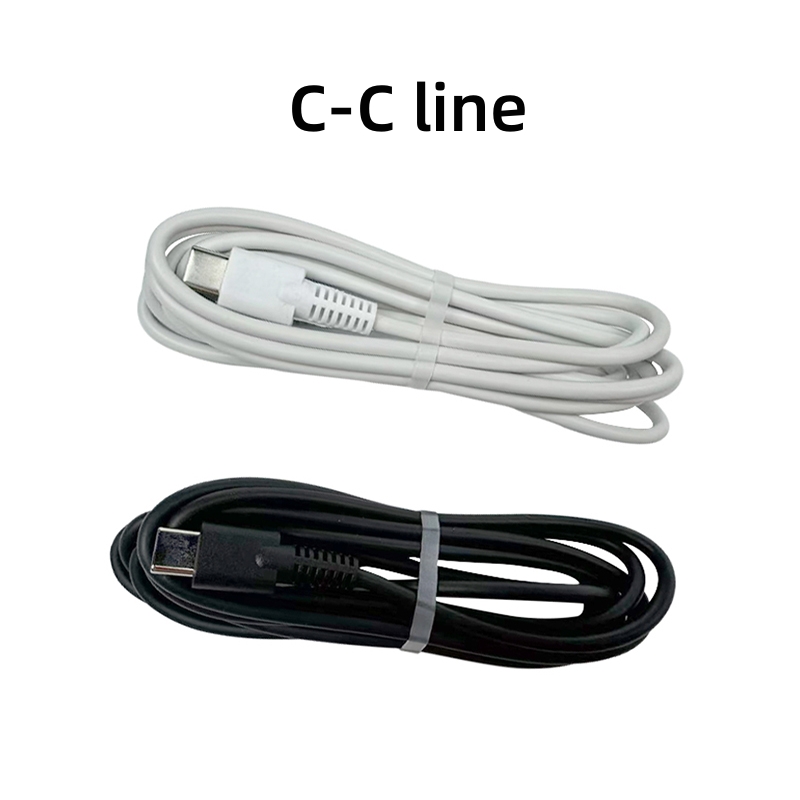
The connector assembly is another crucial aspect of build quality that directly influences DeX performance. The USB-C connector contains 24 pins, and for DeX to function, specific pins—particularly the Configuration Channel (CC) pins and the high-speed data lanes—must make perfect contact. Premium cables feature robust connector housings with tight tolerances that ensure a secure "click" and maintain constant pressure on the port's contacts. Conversely, cheaply molded connectors may have loose fittings or misaligned pins. This can lead to intermittent connectivity where the phone constantly disconnects and reconnects to the display. Furthermore, the strain relief—the section where the cable meets the connector—is vital. A stiff or poorly designed strain relief can exert leverage on the port when the cable is bent, causing the data pins to momentarily separate and interrupting the video feed during simple movements.
Power delivery is inextricably linked to data performance in a DeX environment. When a phone is running DeX, it is under a heavy processing load, driving an external display and powering peripherals. This state consumes significantly more battery than standard usage. A high-quality C-C cable is designed to handle higher currents (3A or 5A) with minimal voltage drop, thanks to thicker power conductors (VBUS and GND). If a cable has high resistance due to thin wiring, the phone may not receive adequate power from the charger. To protect itself, the device might throttle its CPU performance or, more critically, disable the high-power video output circuitry. This can result in the DeX session failing to launch or the resolution dropping automatically to reduce power consumption.
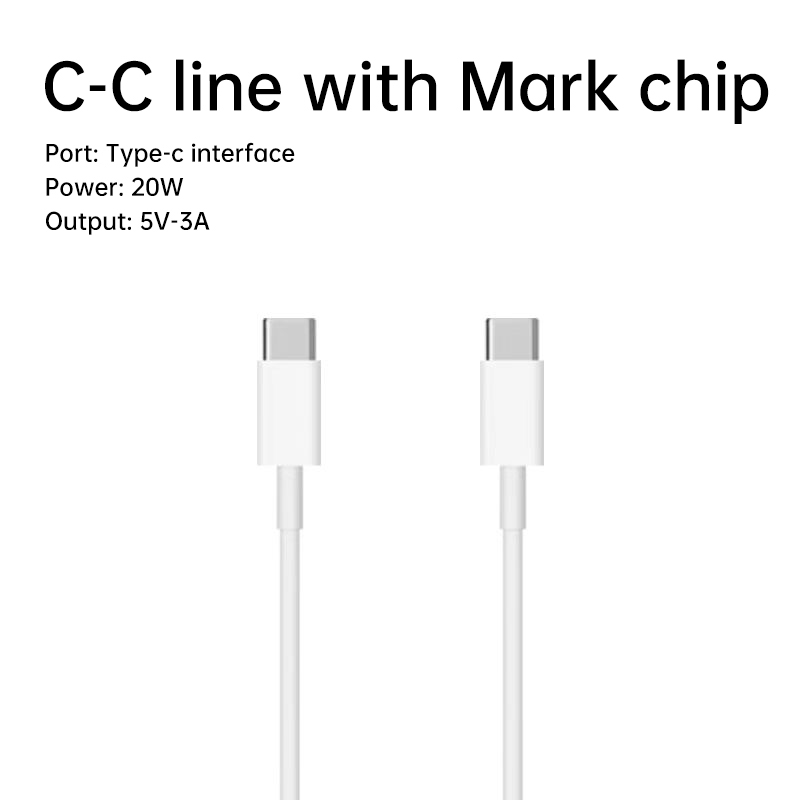
Moreover, the electronic integrity of the cable's E-Marker chip plays a subtle but significant role. This tiny component inside the connector tells the charger and the device what the cable is capable of. In a high-quality build, this chip is robust and communicates accurately. In low-quality clones, the E-Marker may be missing or programmed incorrectly. If the Samsung device cannot verify the cable's capabilities, it defaults to the safest, lowest-common-denominator mode—usually USB 2.0 speeds and low voltage charging. This effectively disables the high-speed data lanes required for DeX video, rendering the feature useless. Therefore, the intelligence embedded within the cable's build is just as important as the copper itself.
Finally, the longevity of the build quality ensures sustained performance. DeX users often move their setups, coiling and uncoiling cables frequently. A well-built cable uses high-tensile braided nylon or durable PVC jackets that resist kinking and internal wire breakage. A cable that has suffered internal damage from rough handling may still charge a phone but fail to transmit the complex high-frequency signals required for video. The physical durability ensures that the precise alignment of the internal data pairs is maintained over thousands of bends, guaranteeing that the video output remains stable day after day.
In conclusion, the Samsung DeX experience is only as strong as its weakest link, and that link is often the cable. The build quality—encompassing shielding, wire gauge, connector precision, and electronic identification—is not merely a matter of durability but of functionality. It dictates whether a user experiences a fluid, 4K desktop environment or a frustrating battle with flickering screens and disconnections. For professionals relying on DeX for work, investing in a cable with superior construction is not an optional accessory purchase; it is a fundamental requirement for a reliable digital workspace.
The most visible impact of cable build quality is on video signal stability. Samsung DeX relies on the DisplayPort Alternate Mode (DP Alt Mode) to transmit video data. This requires the cable to support high-bandwidth data rates, typically corresponding to USB 3.1 or USB 3.2 Gen 1 standards (5Gbps or 10Gbps). High-quality cables are engineered with superior shielding—often a combination of aluminum foil and braided copper—to protect these high-speed differential signal pairs from electromagnetic interference (EMI). In a typical desk setup, the cable runs alongside power cords, HDMI cables, and other electronics that generate electrical noise. A cable with poor shielding acts as an antenna, absorbing this noise and corrupting the video signal. This manifests as "sparkles" (random white pixels), screen flickering, or complete blackouts, destroying the professional aesthetic DeX aims to provide.
Beyond shielding, the physical construction of the internal wiring dictates the cable's ability to maintain signal integrity over distance. In a high-quality C-C cable, the wires responsible for high-speed data transmission (TX1/RX1 and TX2/RX2 pairs) are twisted tightly and often insulated with foamed polyethylene to minimize signal attenuation. If the build quality is low—for instance, if the manufacturer uses cheaper, unshielded twisted pairs or incorrect wire gauges—the signal degrades rapidly over length. This is why a cheap 2-meter cable might fail to display 1080p or 4K video reliably, while a well-constructed cable of the same length maintains a crisp, artifact-free image. The impedance matching within the cable must be precise (typically 90 ohms for differential pairs) to prevent signal reflection, which causes data errors and visual glitches.
The connector assembly is another crucial aspect of build quality that directly influences DeX performance. The USB-C connector contains 24 pins, and for DeX to function, specific pins—particularly the Configuration Channel (CC) pins and the high-speed data lanes—must make perfect contact. Premium cables feature robust connector housings with tight tolerances that ensure a secure "click" and maintain constant pressure on the port's contacts. Conversely, cheaply molded connectors may have loose fittings or misaligned pins. This can lead to intermittent connectivity where the phone constantly disconnects and reconnects to the display. Furthermore, the strain relief—the section where the cable meets the connector—is vital. A stiff or poorly designed strain relief can exert leverage on the port when the cable is bent, causing the data pins to momentarily separate and interrupting the video feed during simple movements.
Power delivery is inextricably linked to data performance in a DeX environment. When a phone is running DeX, it is under a heavy processing load, driving an external display and powering peripherals. This state consumes significantly more battery than standard usage. A high-quality C-C cable is designed to handle higher currents (3A or 5A) with minimal voltage drop, thanks to thicker power conductors (VBUS and GND). If a cable has high resistance due to thin wiring, the phone may not receive adequate power from the charger. To protect itself, the device might throttle its CPU performance or, more critically, disable the high-power video output circuitry. This can result in the DeX session failing to launch or the resolution dropping automatically to reduce power consumption.
Moreover, the electronic integrity of the cable's E-Marker chip plays a subtle but significant role. This tiny component inside the connector tells the charger and the device what the cable is capable of. In a high-quality build, this chip is robust and communicates accurately. In low-quality clones, the E-Marker may be missing or programmed incorrectly. If the Samsung device cannot verify the cable's capabilities, it defaults to the safest, lowest-common-denominator mode—usually USB 2.0 speeds and low voltage charging. This effectively disables the high-speed data lanes required for DeX video, rendering the feature useless. Therefore, the intelligence embedded within the cable's build is just as important as the copper itself.
Finally, the longevity of the build quality ensures sustained performance. DeX users often move their setups, coiling and uncoiling cables frequently. A well-built cable uses high-tensile braided nylon or durable PVC jackets that resist kinking and internal wire breakage. A cable that has suffered internal damage from rough handling may still charge a phone but fail to transmit the complex high-frequency signals required for video. The physical durability ensures that the precise alignment of the internal data pairs is maintained over thousands of bends, guaranteeing that the video output remains stable day after day.
In conclusion, the Samsung DeX experience is only as strong as its weakest link, and that link is often the cable. The build quality—encompassing shielding, wire gauge, connector precision, and electronic identification—is not merely a matter of durability but of functionality. It dictates whether a user experiences a fluid, 4K desktop environment or a frustrating battle with flickering screens and disconnections. For professionals relying on DeX for work, investing in a cable with superior construction is not an optional accessory purchase; it is a fundamental requirement for a reliable digital workspace.